Foundation & Loose Powder
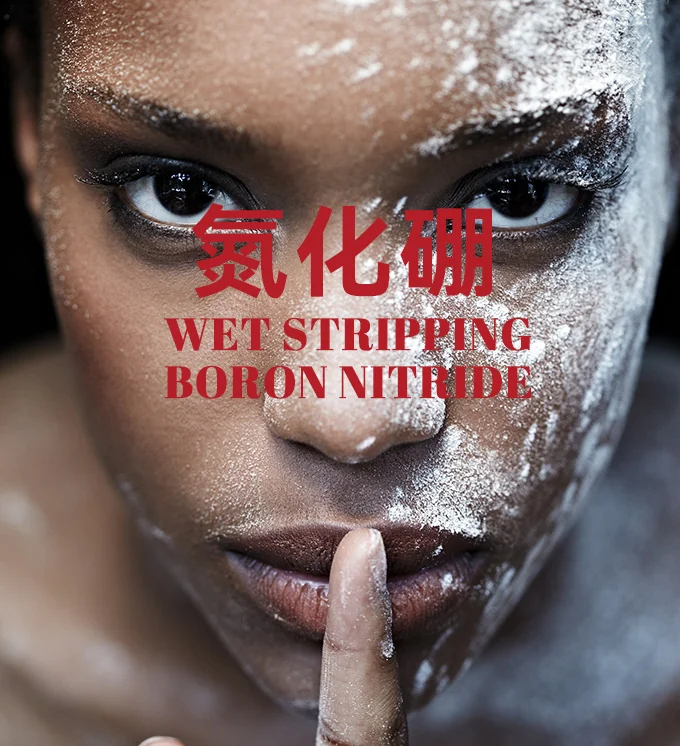
Applied to foundation, cushion foundation, pressed powder, loose powder and other base makeup formulations. It can optimize the spreading and skin feel of powders, regulate oil absorption, improve long-lasting and transfer-resistant performance, while providing coverage, soft-focus and skin-tone correcting effects.Functional powders such as boron nitride can provide a fine, high-end highlight and satin finish, improve pressed powder compact strength, and address formulation challenges such as fragile and powdery pressed products, powder fallout, and pilling in liquid base makeup.
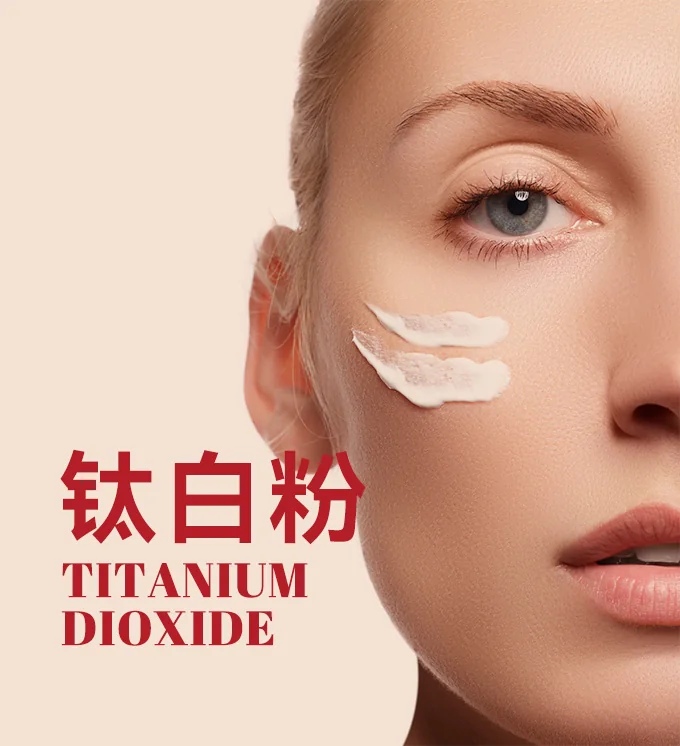
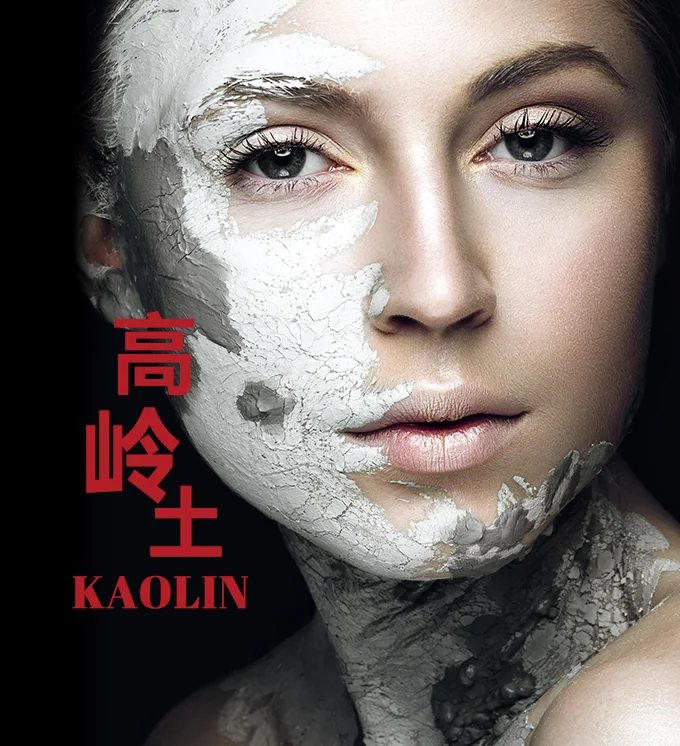
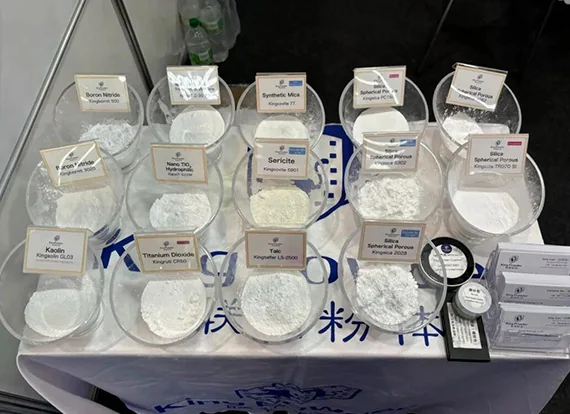
Suitable powders: Boron nitride, Spherical silica, Kaolin, Titanium dioxide, Pearlescent powders, etc.
Base makeup is a major application segment for cosmetic powders, covering mainstream products such as foundation, cushion BB, pressed powder, and loose setting powder. Liankai’s functional powder portfolio includes boron nitride, spherical silica, kaolin, titanium dioxide and other series, providing comprehensive solutions for both dry powder and liquid base makeup formulations.
In pressed powder and loose powder formulations, powders directly affect the pressing performance. They can improve the strength of the pressed cake, reduce breakage and powder fallout, while providing a smooth and silky spreading feel on the skin. In liquid base makeup such as foundation and cushion products, powders act as skin-feel modifiers and soft-focus concealing ingredients, helping to blur pores and create a more even and refined complexion.
Boron nitride, with its unique plate-like structure, creates an elegant satin finish and soft radiance without producing an inexpensive, overly glittery effect. Spherical silica provides controllable oil absorption, helping to absorb excess sebum on the skin, extend makeup wear, and reduce makeup breakdown caused by excess oil.
Our powders effectively address common challenges in the industry, including loose and fragile pressed powders, pilling and clumping in liquid base makeup, heavy and mask-like makeup, as well as darkening caused by excess oil. They provide stable, high-performance raw material solutions for base makeup products.
Eyeshadow & Blush
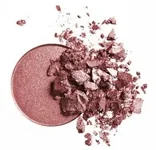
Suitable for dry powder formulations such as eyeshadow, blush and baked makeup. Powder raw materials provide smooth spreading, enhance color payoff and pearlescent effects, optimize pressing and molding performance, reduce powder fallout, create diverse makeup effects, and improve the wear resistance of finished makeup products, meeting the development needs of cosmetic manufacturers for dry powder systems.
Suitable powders: Spherical silica, Boron nitride, Bismuth oxychloride, Pearlescent pigments, Kaolin, Titanium dioxide, etc.
Eyeshadow and blush are typical dry powder makeup systems and key application areas for pearlescent and coloring powders. They also include various processed products such as pressed powders, baked powders and loose powders. Liankai provides suitable raw materials including boron nitride, bismuth oxychloride, spherical silica, kaolin, pearlescent pigments and titanium dioxide to support cosmetic manufacturers in developing diverse makeup effects.
Powders perform multiple functions in formulations, including coloring, pearlescent effect enhancement, sensory improvement and molding adjustment. Kaolin and spherical silica can optimize the flowability between powder particles, improve the compactness of pressed powders, reduce cracking during production, provide a smooth application feel for consumers, and minimize powder fallout and dusting. Bismuth oxychloride and pearlescent pigments provide a variety of metallic luster, fine shimmer and matte effects, meeting different makeup styles such as matte, satin and intense sparkle.
During formulation development, common challenges include uneven color payoff, poor pearlescent pigment dispersion, fragile pressed powders and difficulty in picking up the right amount of powder. By combining powders with different specifications, it is possible to balance color intensity and skin feel while maintaining production process stability and an excellent application experience, helping brands create eyeshadow and blush products with rich colors and long-lasting makeup effects.

Lipstick & Lip Gloss
Suitable for various lip formulations, including lipsticks, lip glosses, lip muds and other lip makeup products. It can regulate the viscosity and application texture of the formula, improve sweating and oil separation issues, optimize film-forming speed, enhance the smoothness and wear performance of lip products, and is suitable for oil-based lip makeup systems.
Suitable powders: Boron nitride, Spherical silica, Organic pigments, etc.
Lip makeup includes lipsticks, lip glazes, lip muds, lip glosses and other categories. Most formulations are based on oil-phase systems, which have strict requirements for powder compatibility, thixotropy and separation control. Liankai’s powders, including boron nitride, spherical silica and organic pigments, are widely used in the development of various lip formulations.
Powders in lip products are mainly used to regulate formula viscosity, improve application texture, control drying and film-forming speed, and enhance wear performance. In solid lipsticks, functional powders can improve the structural stability of the formula and suppress common industry issues such as sweating, oil separation and oil blooming under high-temperature conditions. In lip mud and lip glaze systems, powders can regulate the thixotropy of the formula, provide a smooth application without tugging on the lips, and help prevent transfer and color fading after film formation.
Lip formulations can easily encounter issues such as uneven powder dispersion, a heavy or gritty feel, dryness, and oil separation or deformation of the formula. Surface-modified powders offer excellent compatibility with oil-based systems and are easy to disperse, without forming particles or agglomerates during processing. They can not only help organic pigments enhance color saturation, but also optimize the application feel, while balancing manufacturing process requirements with the end-consumer experience.

Sunscreen Products
Inorganic mineral powders such as titanium dioxide and zinc oxide provide physical broad-spectrum UV shielding. When combined with spherical silica-based powders, they effectively reduce particle agglomeration, minimize white cast and pilling during application, and enhance the skin feel of sunscreen formulations — making them suitable for emulsions, creams, sprays, and all types of sunscreen preparations.
Applicable Powders: Titanium Dioxide, Zinc Oxide, Spherical Silica
Sunscreen products are broadly divided into two categories: pure physical sunscreens and hybrid physical-chemical sunscreens. Titanium dioxide (TiO₂) and zinc oxide (ZnO) are the dominant mineral UV-filter ingredients. When combined with functional powders such as spherical silica, they work together to build high-performance sunscreen formulas — suitable for sunscreen emulsions, creams, sprays, and BB creams.
Titanium dioxide and zinc oxide achieve UV protection through physical light scattering and reflection, delivering reliable broad-spectrum mineral sun defense. However, unmodified inorganic mineral powders are prone to particle agglomeration, which can result in a heavy white cast, greasy or tacky skin feel, and pilling when applied. King Powder’s surface-treated sunscreen powders offer superior particle dispersion, significantly reducing agglomeration and effectively minimizing the white cast after application.
When formulated in combination with spherical silica, the overall skin feel is optimized — spreading becomes smoother and film-forming texture is noticeably improved. This makes them equally suitable for high-SPF cream-based sunscreens and lightweight emulsion or spray formats. While maintaining full UV protection efficacy, these combinations address the key pain points of traditional mineral sunscreens — heavy texture and occlusive skin-feel — helping formulators balance sun protection performance, skin feel, and formula stability.

Skin Care Products
Used as a filler, thickener, oil-absorption agent, and skin-feel modifier in skincare formulations such as facial creams, sheet masks, clay masks, and BB creams. It effectively adjusts system viscosity, absorbs excess sebum, improves paste rheology and texture, enhances product skin feel, and strengthens formula stability.
Applicable Powders: Kaolin, Spherical Silica, and Other Functional Powders
Mineral powders are not limited to the color cosmetic sector — they also have extensive applications in skincare formulations, covering facial creams, sheet masks, clay masks, BB creams, serums, and other skincare categories. King Powder’s kaolin and spherical silica powders serve as fillers, thickeners, oil-absorption agents, and skin-feel modifiers within these formulations.
In clay mask products, kaolin delivers strong oil-absorption capacity, drawing out excess sebum from the skin surface to achieve effective cleansing. In cream and emulsion formulations, mineral powders help regulate rheology and viscosity, relieving the heavy and tacky texture of the paste while enhancing a matte, refreshing skin feel after application. In BB creams and skincare primer products, these powders create a soft-focus finishing effect that combines skincare benefits with subtle complexion correction.
Skincare formulations impose exceptionally high demands on powder safety, compatibility, and stability. King Powder’s mineral powders feature controlled impurity profiles and strong compatibility with both aqueous and oil phases, making them unlikely to disrupt the emulsion structure of skincare systems. They effectively address common formulation challenges such as rheological instability, tacky and occlusive skin-feel, and the dryness and tightness often associated with clay masks — making them well-suited for active skincare and cleansing-focused product development across a range of applications.
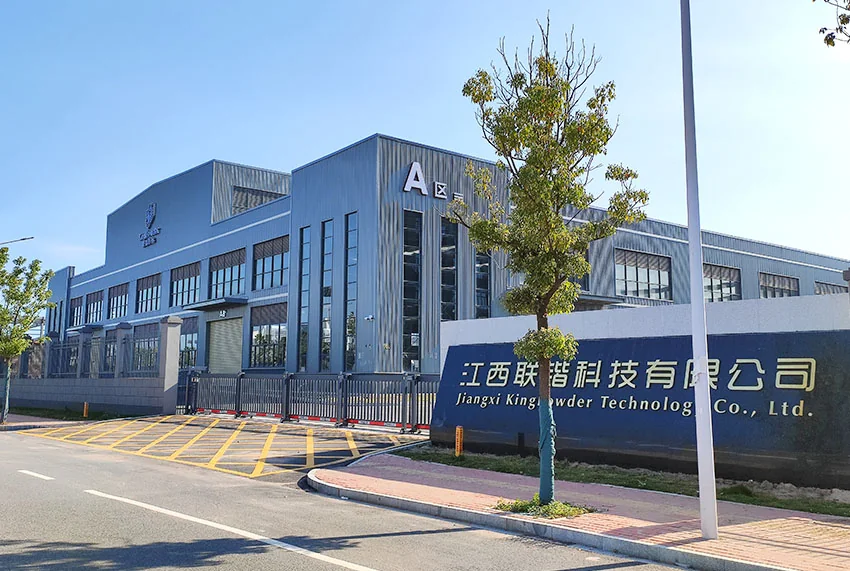
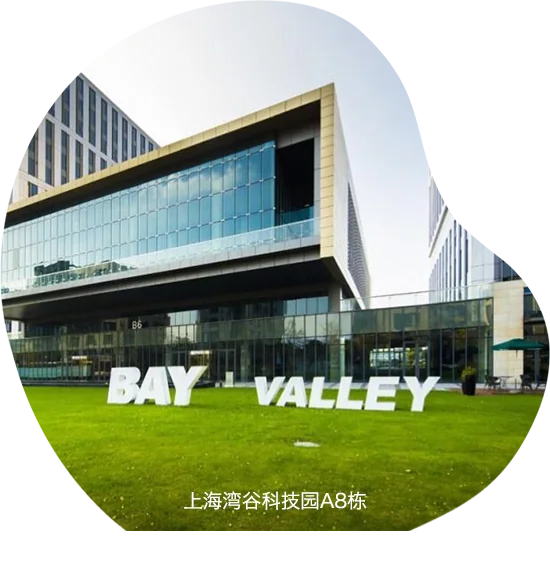
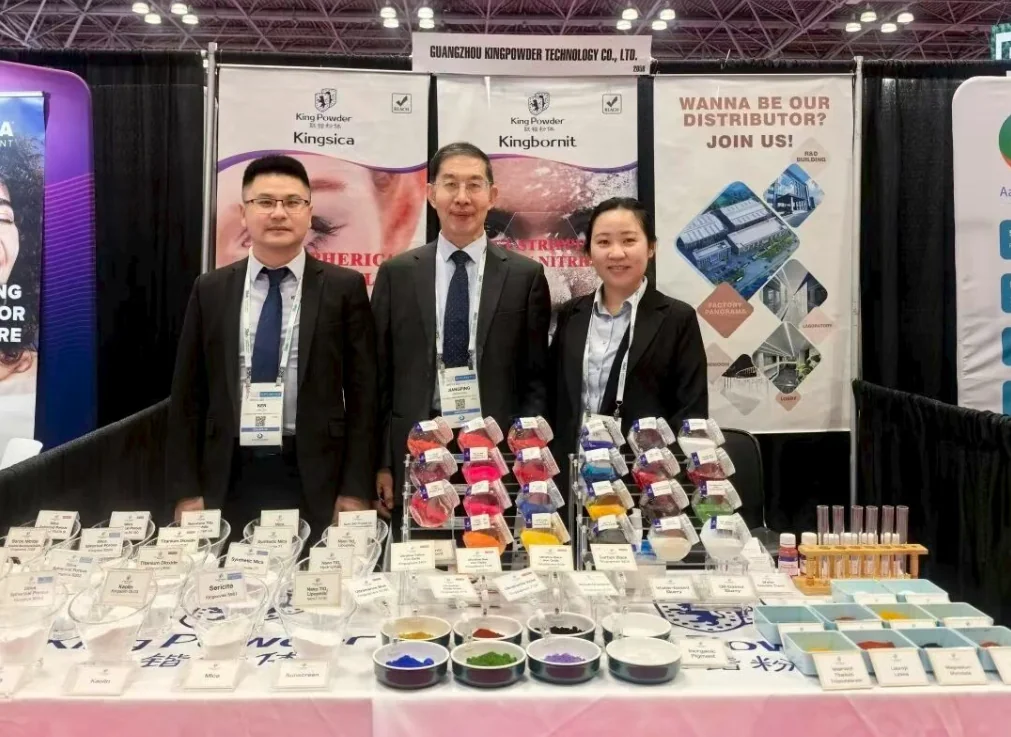
KingPowder was founded in 2004 and specializes in the R&D, manufacturing and sales of cosmetic-grade powder materials. Headquartered in Shanghai, with companies and production facilities in Guangzhou and Ganzhou (Jiangxi), KingPowder manufactures hexagonal boron nitride, spherical porous silica, wet-ground mica, calcined kaolin, talc and titanium dioxide, together with surface-treated powders and oil-based / water-based pigment slurries — more than 200 cosmetic-grade powder grades in total, serving over 2,000 OEM/ODM customers worldwide and exported to more than 100 countries and regions, compliant with the regulations of China, the EU, Japan and the United States.




Pressed powder depends on particle size distribution and the platy fraction — keep the fine end (D50 8-15 μm) above about 35% and the compact resists flaking. Loose powder is about slip and oil control: wet-stripped talc (mean 5-16 μm) with spherical porous silica (oil absorption 150-300) is the usual pairing. Liquid foundation is about dispersion: surface-treated powders wet out better in the oil phase and keep system viscosity lower.
Read answerThe difference is pore structure, not chemistry. Spherical porous silica is grouped by use into standard, high-absorption, low-absorption and scrub grades, with oil absorption spanning 60-300 and mean particle size spanning 2-200 μm. More pores and higher surface area mean higher absorption — stronger oil control, but it raises system viscosity. The low-absorption grade (8 μm, absorption 60) suits formulas that must stay fluid.
Read answerNot as a blanket substitution — as a grade-by-grade match. Four parameters decide it first: particle size distribution (D50 and span), oil absorption, whiteness versus hiding power, and surface treatment type. Once those four align, move to the formula and measure press strength, skin feel and white cast. For wet-stripped boron nitride, wet-ground mica and calcined kaolin, domestic lines already exist that can be matched grade by grade.
Read answerFour things: whether they can provide batch-to-batch variation data for particle size and oil absorption, whether surface treatment runs in-house or is outsourced, whether regulatory documents can be issued (BVL metal limits and asbestos reports for talc), and whether formula-level technical support exists when something goes wrong. The first two decide whether the goods stay stable; the last two decide who answers when they are not.
Read answerOn the supplier side, powders as raw materials usually need composition and impurity declarations (heavy metals, asbestos), REACH-related substance information, and compliance notes for the surface treatment. The CPNP notification for the finished product is the brand’s responsibility. Talc and titanium dioxide additionally face market-specific requirements on asbestos and inhalation risk.
Read answerBecause the criteria for judging a powder follow the system. Dry systems look at size distribution, platy fraction and compactability; liquid systems look at wetting, dispersion and compatibility with the emulsion. The same powder can work untreated in a dry system and float or separate in a W/Si system when untreated. Set the system first, then the treatment — reverse the order and you re-formulate repeatedly.
Read answerWe reply within one business day with shipping arrangements and technical documents. Samples are free of charge; freight is collect or credited against your next order.